
The Difference Between Success and Alignment
What if your emotions are less like a problem to solve and more like a compass pointing you towards the life that's truly yours?

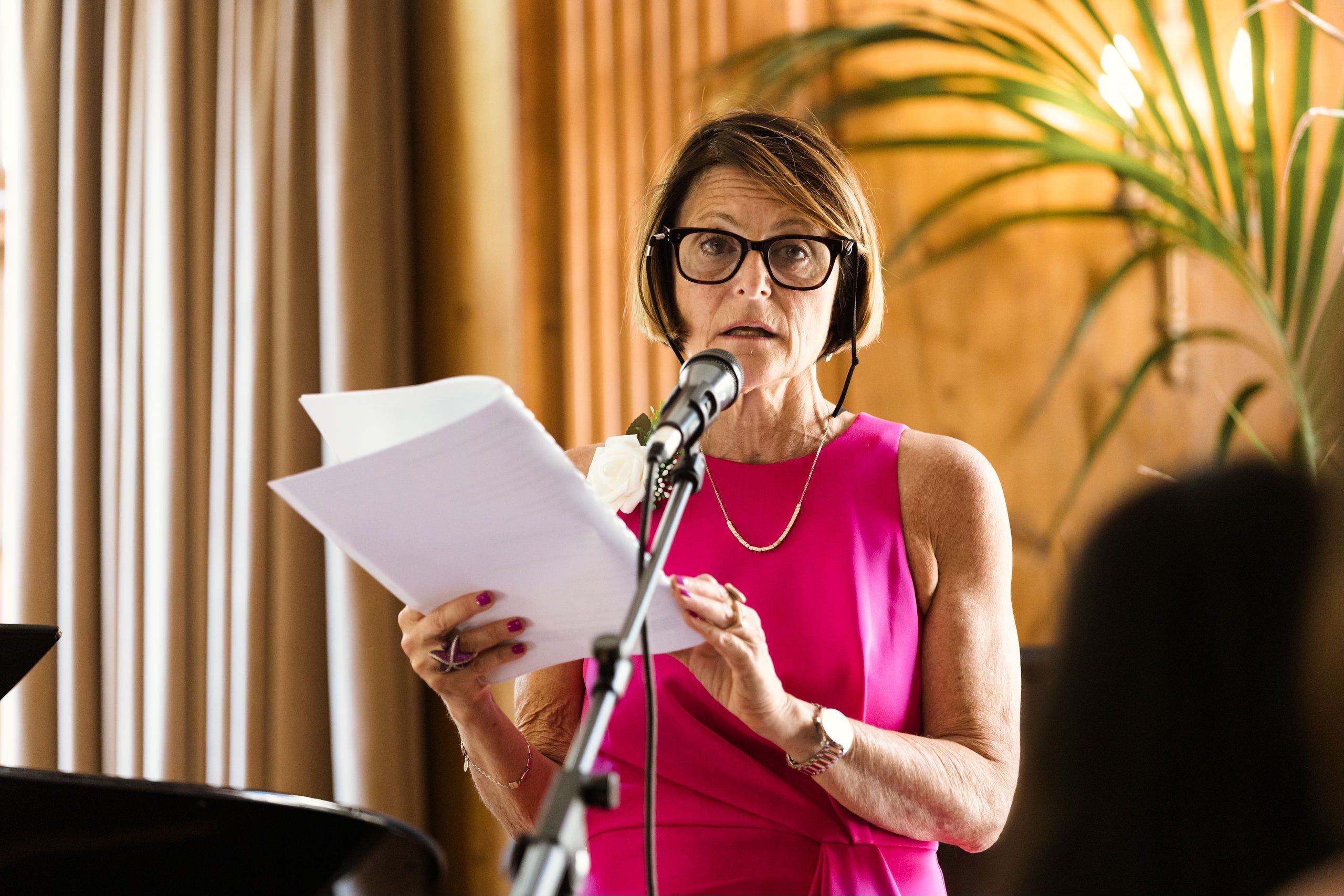
There are moments in life when everything seems to come together.
Not because life is easy. Quite the opposite. The weeks leading up to a significant event I had been organising were amongst the busiest and most stressful I can remember. There were endless decisions to make, problems to solve and moments when all I wanted was for it to be over.
Yet hidden amongst the pressure were fleeting moments of something much rarer than happiness.
As I look back now, I realise I was experiencing the satisfaction of knowing I was exactly where I was meant to be.
The event brought together years of experience, work that feels deeply meaningful, people I admire enormously and values that have shaped my life for over a decade. For perhaps the first time in a long while, all the different strands of my life were pulling in the same direction.
I wasn’t simply busy.
I was completely aligned with what matters most to me.
Then the event ended.
The following morning I woke with an unexpected sense of emptiness. If I’m honest, my first instinct was exactly the same as it usually is. I wanted the feeling to go away. I found myself thinking, “I should be happy now. The pressure is over. I can finally relax.”
But that wasn’t what I was feeling at all.
So instead of asking myself, “How do I stop feeling like this?”, I asked a different question.
What is this feeling trying to tell me?
The answer, I think, was surprisingly simple.
Whilst I had been longing for the stress to end, I had also spent months living with an extraordinary sense of purpose. Every morning I knew exactly what I was working towards. My days were filled with work that reflected who I am and what I care about most.
The event had finished, but what I missed wasn’t the stress.
It was the sense of alignment.
That realisation led me to think about a phrase I hear surprisingly often in coaching.
“I should be happy.”
It usually comes with an impressive list of achievements.
“I’ve got a successful career.”
“I earn a good salary.”
“I have a lovely family.”
“I’ve got the house.”
“So why don’t I feel happy?”
The emphasis is nearly always on the word should.
What people are really saying is, “I’ve built the life that everyone told me would make me happy.”
The difficulty is that fulfilment doesn’t come from living according to society’s values.
It comes from living according to your own.
We all value different things.
For one person, freedom may sit at the very top of the list. For another, it may be security. Some people are energised by creativity, challenge and variety. Others find deep satisfaction in stability, belonging and routine.
None of those values is better than another.
But they lead to very different lives.
If freedom is one of your deepest values, a secure, well-paid corporate job may gradually leave you feeling trapped, however impressive it looks from the outside.
If creativity is what brings you alive, routine may slowly drain your energy, even if everyone else thinks you’ve “made it”.
Equally, if security is one of your highest values, freelancing or running your own business may create a constant sense of unease, however exciting the work itself may be.
There is nothing wrong with any of those lives.
The question is whether they are your life.
I’ve come to think of our emotions as something rather different from the way we often talk about them.
We tend to divide them into good and bad. Happiness is something to pursue. Anxiety, frustration and sadness are things to eliminate.
But what if they are less like a verdict and more like a compass?
What if they are constantly giving us feedback about whether we are living in alignment with what matters most?
That doesn’t mean every uncomfortable emotion is telling us our life is fundamentally wrong. Sometimes sadness is grief. Sometimes anxiety reflects uncertainty. Sometimes disappointment is simply part of being human.
But very often our emotions are inviting us to pay attention.
There is another pattern I have noticed, both in my own life and in coaching.
You don’t necessarily have to solve the problem before you start feeling better.
Someone who has been dreading work for months finally updates their CV and immediately feels lighter.
Someone who has been talking about getting healthier walks into the gym for the first time and leaves with more energy than they arrived with.
Someone who has been longing for a relationship signs up to a dating site and suddenly feels hopeful again.
Nothing has fundamentally changed.
The new job hasn’t appeared.
The weight hasn’t been lost.
The relationship hasn’t begun.
Yet something important has shifted.
They have started moving towards a life that feels more aligned with who they are and what they want.
Our emotions don’t just respond to reaching the destination.
They often begin to change the moment we know we are finally heading in the right direction.
One of my favourite quotes comes from Sydney Banks:
“A mood is a love letter from your soul urging you to look in a different direction.”
Whether you see that as poetry or psychology, I think there is wisdom in becoming curious rather than critical.
We spend so much of our lives trying to change how we feel.
Perhaps a better place to begin is by asking what our feelings are trying to tell us.
Sometimes they reassure us that we are exactly where we need to be.
Sometimes they gently point us in a different direction.
Either way, I suspect they are usually worth listening to.
Thank you, as always, for reading.
I’d love to know your thoughts. Have you ever realised, perhaps only in hindsight, that an uncomfortable emotion was trying to point you towards something important?
Warm wishes,
Katinka